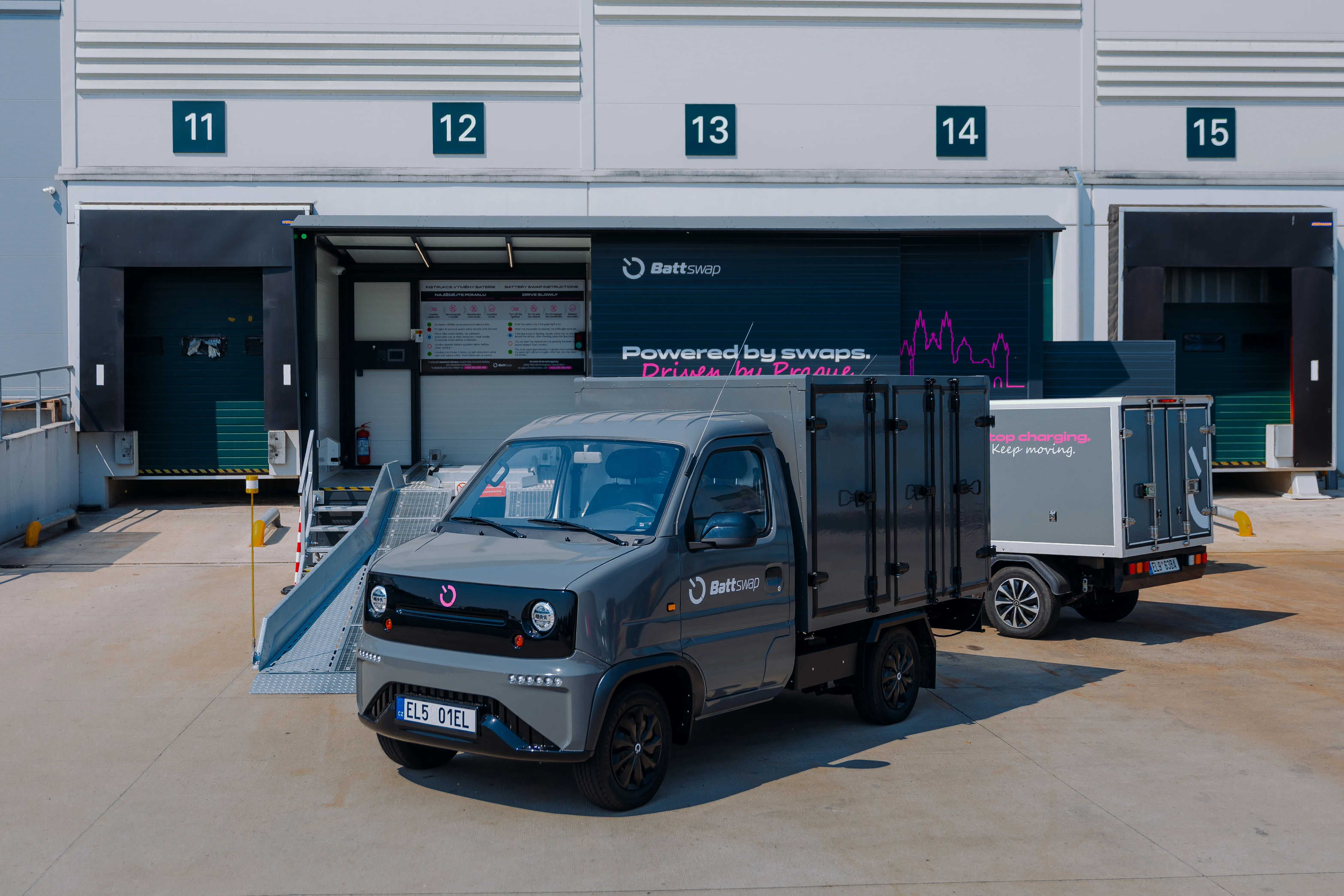
See the vehicle

Electric machines should work.Not wait.

Energy is prepared in the background and exchanged in minutes — no charging stops, no grid upgrades.

For last-mile commercial fleet managers See real numbers from real routes. Explore my economy
The world in motion

One energy layer.
Every transport market.

Scroll to explore

The backbone of electric operations

Battswap enables continuous energy access for high-utilisation electric vehicles and machines.

$0.25T
Addressable market covered
166.7Mt
Annual CO₂ displaced
0.95Myears
Charging time avoided
  • Last-mile delivery & logistics
  • Trucking & long haul
  • Public transit & buses
  • Industrial & off-highway
  • Autonomous road mobility
  • Advanced air mobility & drones
Last-mile delivery & logistics Trucking & long haul Public transit & buses Industrial & off-highway Autonomous road mobility Advanced air mobility & drones

Illustrative model for homepage storytelling: market value ÷ $30k per unit × 100k km/year × 0.2 kg CO₂/km; charging time based on one hour per 100 km. Figures are non-overlap-adjusted.

Full potential unlocked

$4.10 trillion
ready to move.

Proven technologies. New architecture.

Nothing new.
Except the way it all works together.

Battswap connects familiar technologies into one operational system.

Four battery modules connecting through a Battswap coupling.

Patented battery-handling architecture · EP 3 921 881 B1 · US 12,286,028 B2

The bottleneck

The vehicles are ready.The grid is not.

Electric technology works today. The public system behind it cannot grow fast enough.

The missing layer

We cracked the codeof EV adoption.

It sits between a constrained grid and every working electric fleet.

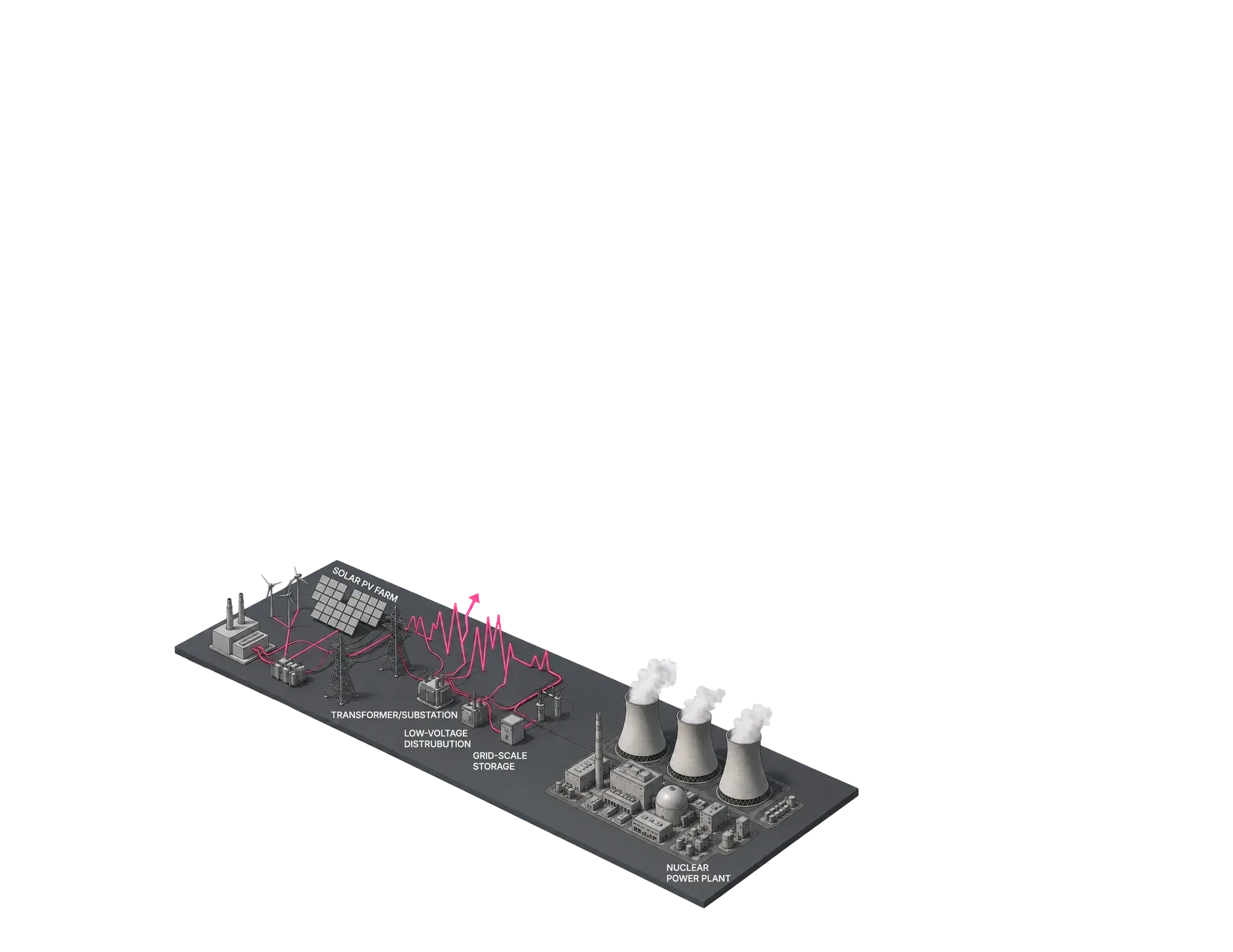
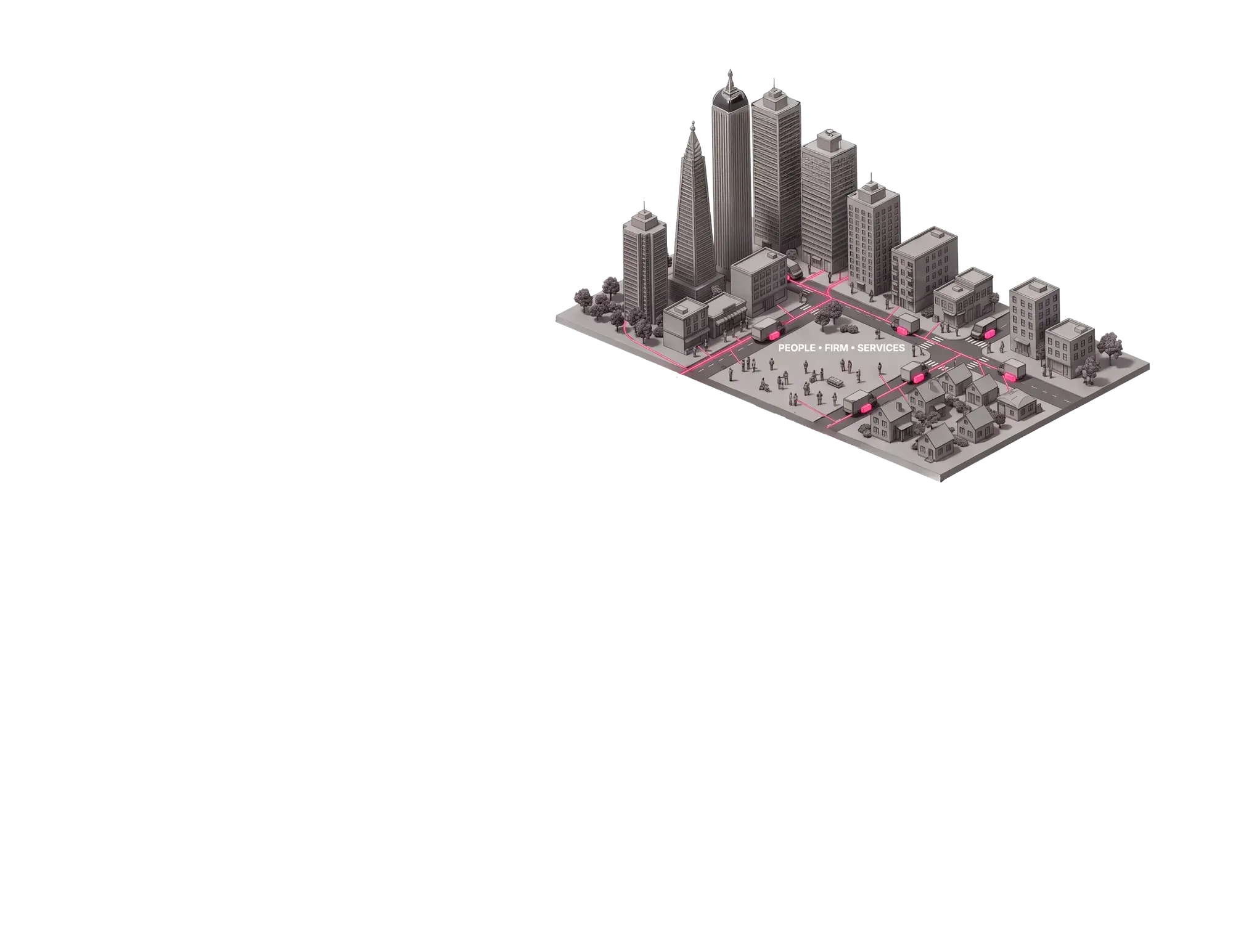
Energy layer: power plant, wind turbines, solar farm, pylons, substation and grid-scale storage. Battswap energy layer: battery bank and automatic swapping. Transport layer: vans, trucks, waste collection, bus and drones. City economy layer: people, firms and services.

10×

AN ORDER-OF-MAGNITUDE ADVANTAGE

One fleet becomes ten.

The grid capacity that supports one conventional electric fleet can support a dramatically larger Battswap fleet.

Same constrained grid. Up to 10× the fleet capacity.

Existing grid
Battswap energy layer
Up to 10× fleet potential
Battswap — 129 years of battery swapping Scroll to move through time ↓ 01 / 05
The energy layer

Electricity should wait.
The machine should not.

Scroll to see why the industry has returned to the same physical answer for 129 years.

The story begins
The principle

The physics were
always right.

For working vehicles, exchanging energy beats waiting for energy. The idea is older than the modern car industry.

100 kWh in 10 minutes = 600 kW · 100 kWh in 6 h = 17 kW

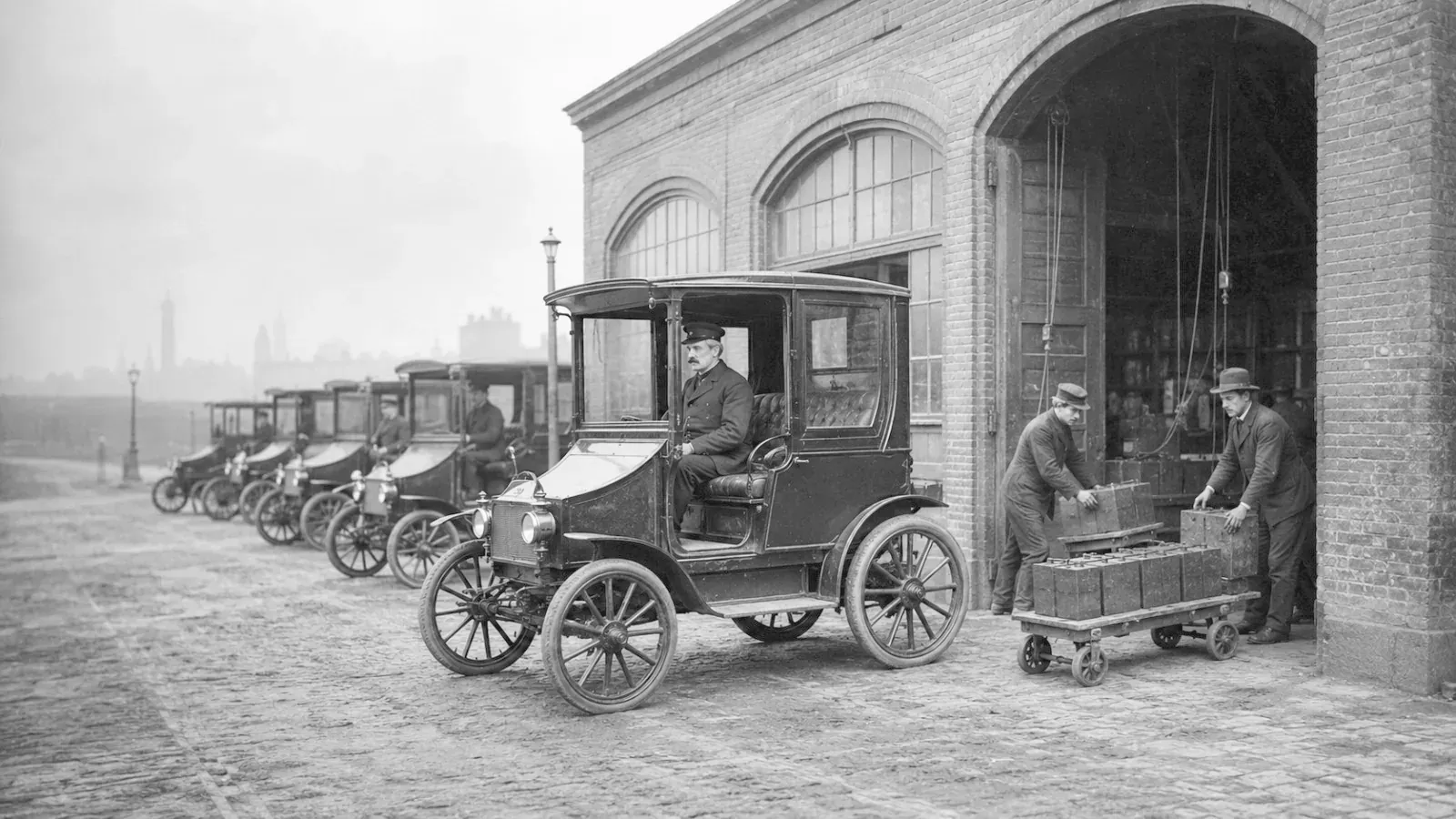
Electric taxi depot, crews carrying battery crates on a trolley
1897 · New York

The first fleets
already knew.

Early electric taxis used replaceable battery systems to return vehicles to work without waiting for a recharge.

Illustration — a reconstruction of the period, not an archive photograph.

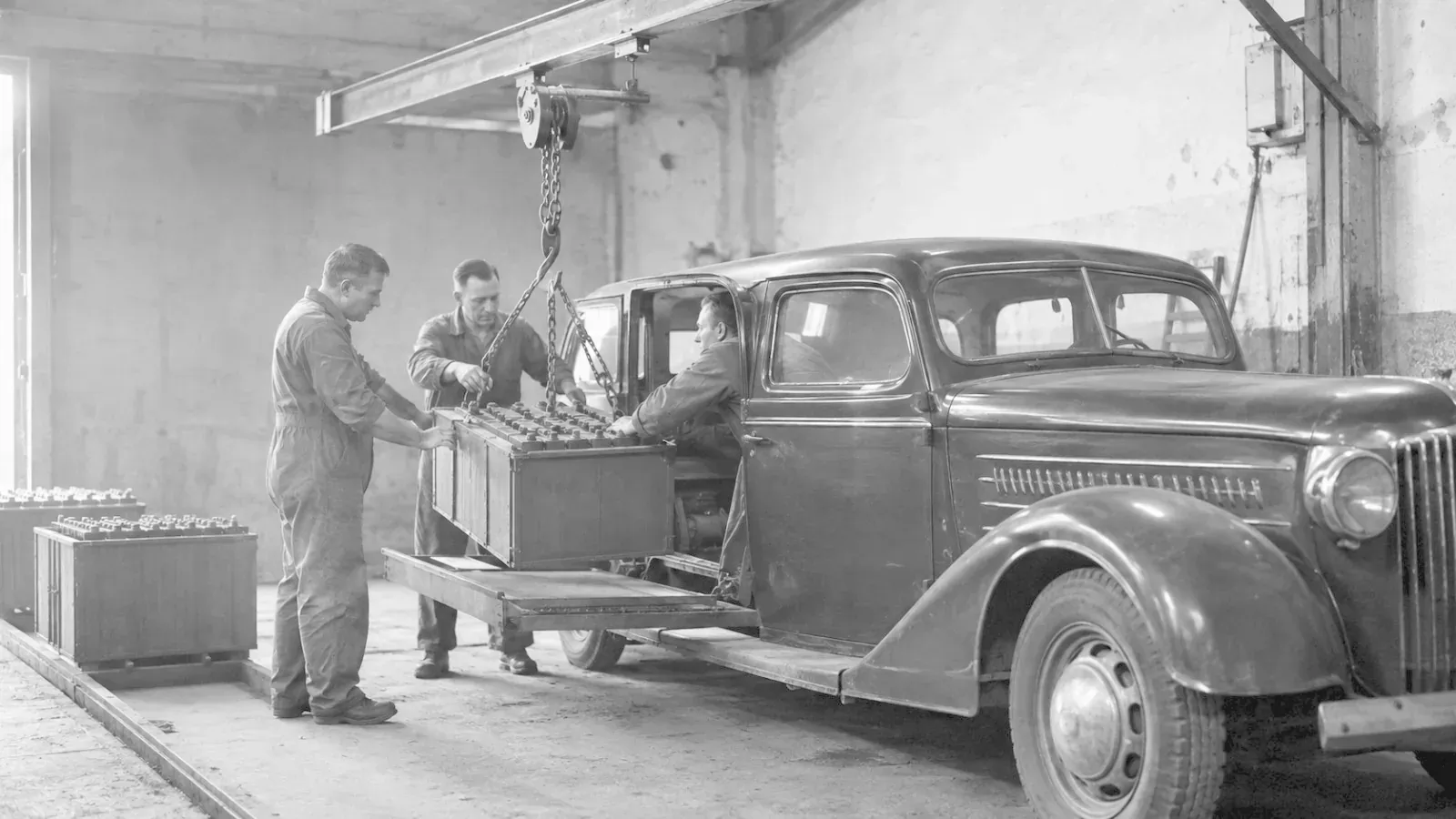
Battery being lifted out of a car in a garage on a chain hoist
1943 · Barcelona

Scarcity made the
answer obvious.

During wartime fuel shortages, electric taxis exchanged heavy battery packs and kept moving.

Illustration — a reconstruction of the period, not an archive photograph.

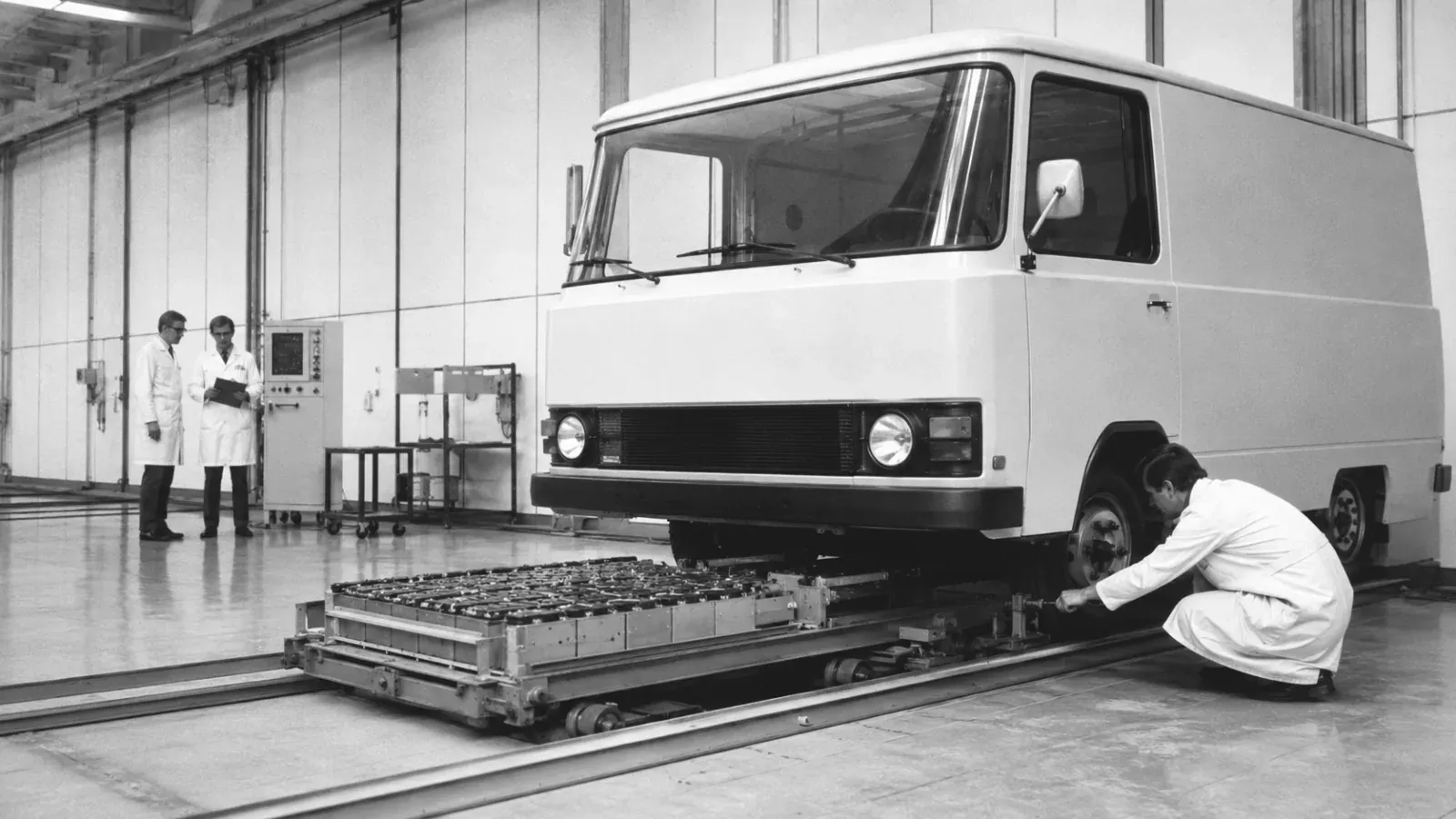
Delivery van standing above a battery pallet on rails in a hall
1972 · Europe

Industry tried
again.

Battery-exchange delivery vans proved that the principle could work in commercial vehicles too.

The principle worked. The industry around it was not ready.

Illustration — a reconstruction of the period, not an archive photograph.

The capital race · Better Place

Then billions
chased scale.

$850Mraised

One compatible production model. A public network deployed ahead of sufficient vehicle adoption.

Liquidated · 2013

Illustration — a generated depiction, not a photograph of this company’s facility.

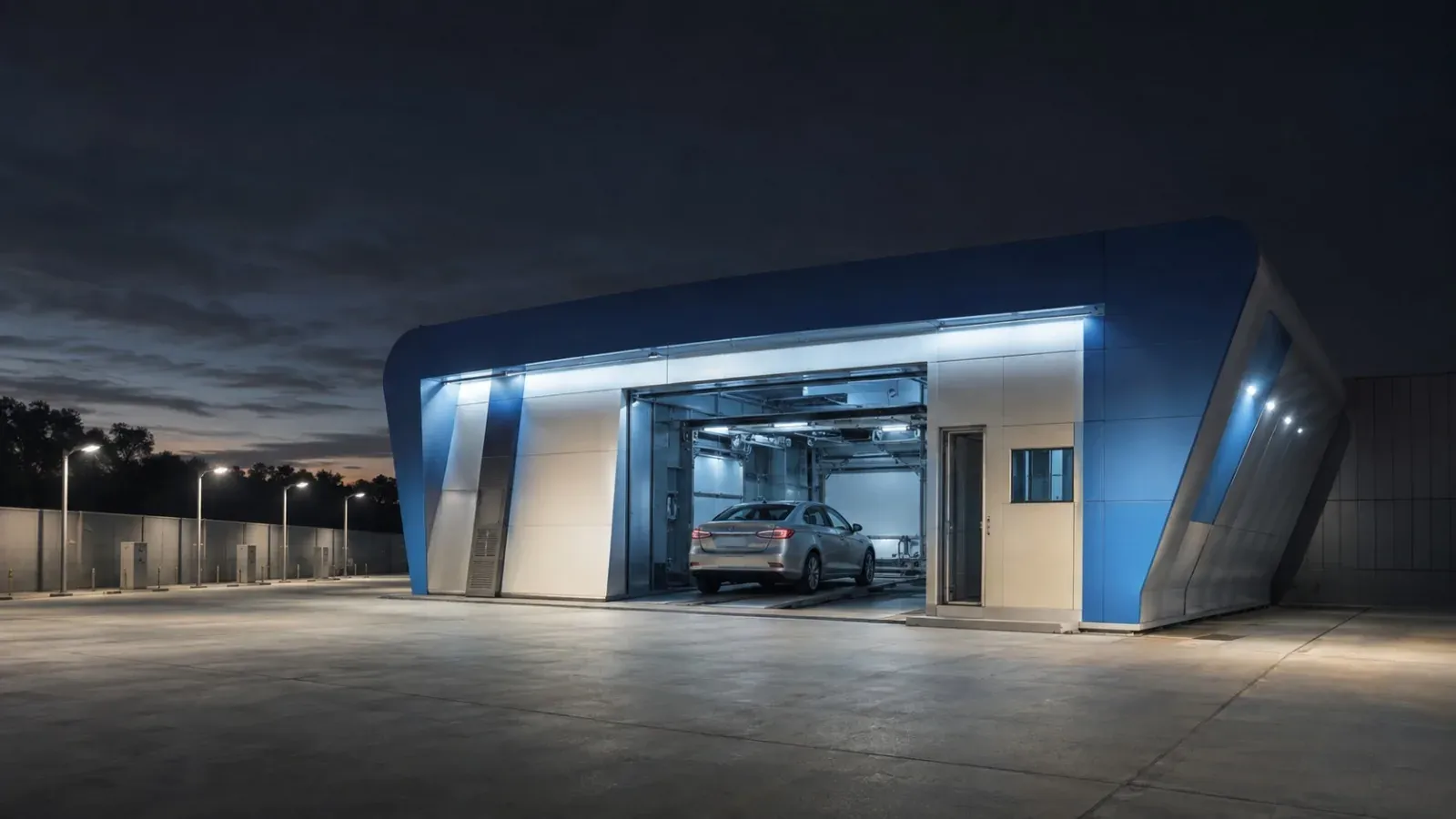
Battery swap lane under a canopy at dusk
The capital race · Ample

Engineering became
the product.

$330M+raised

Sophisticated modular robotics demonstrated ambition—but the business ultimately ran out of liquidity.

Chapter 11 · Dec 2025

Illustration — a generated depiction, not a photograph of this company’s facility.

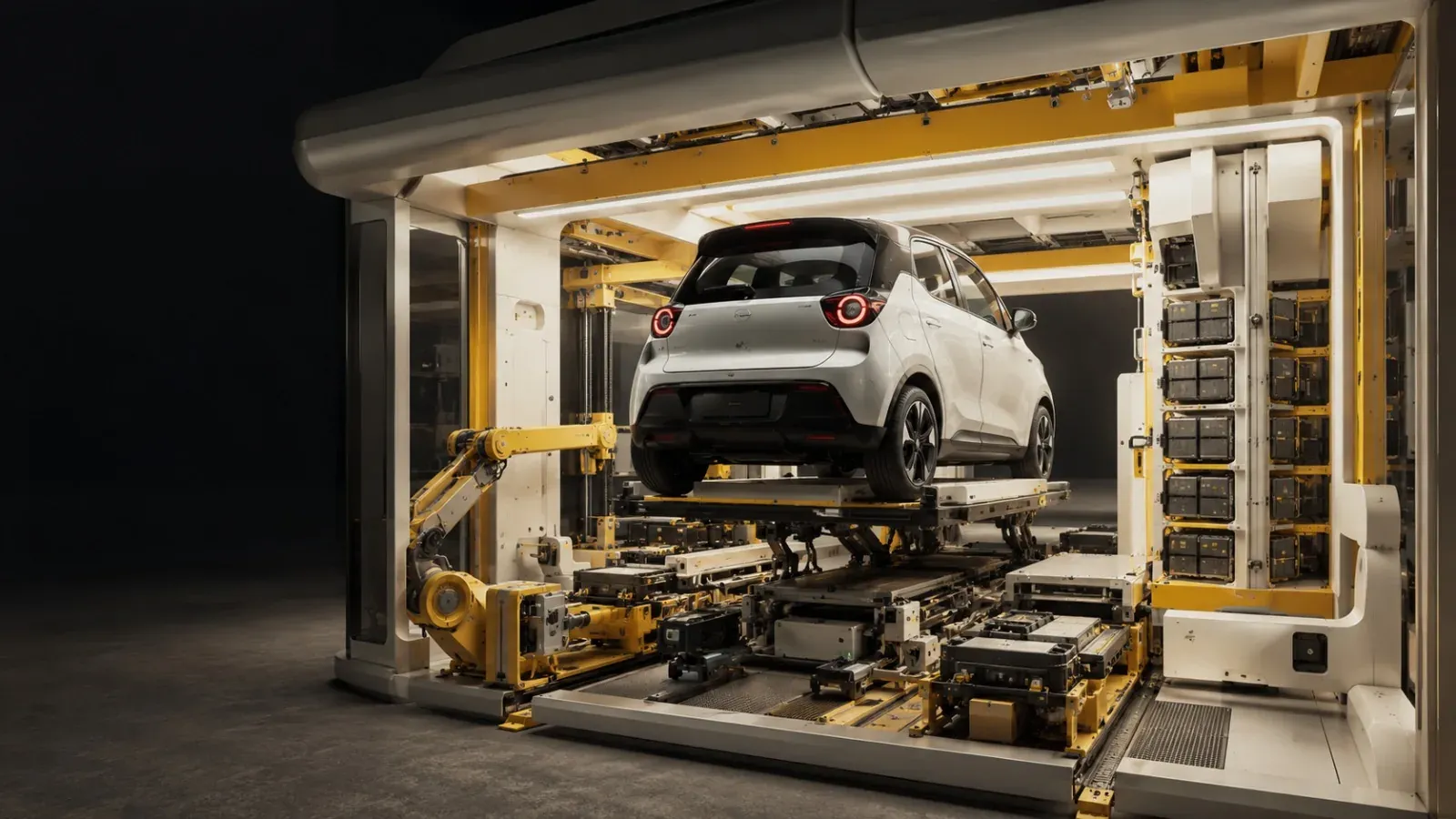
Modular swapping robot working under a car in a compact bay
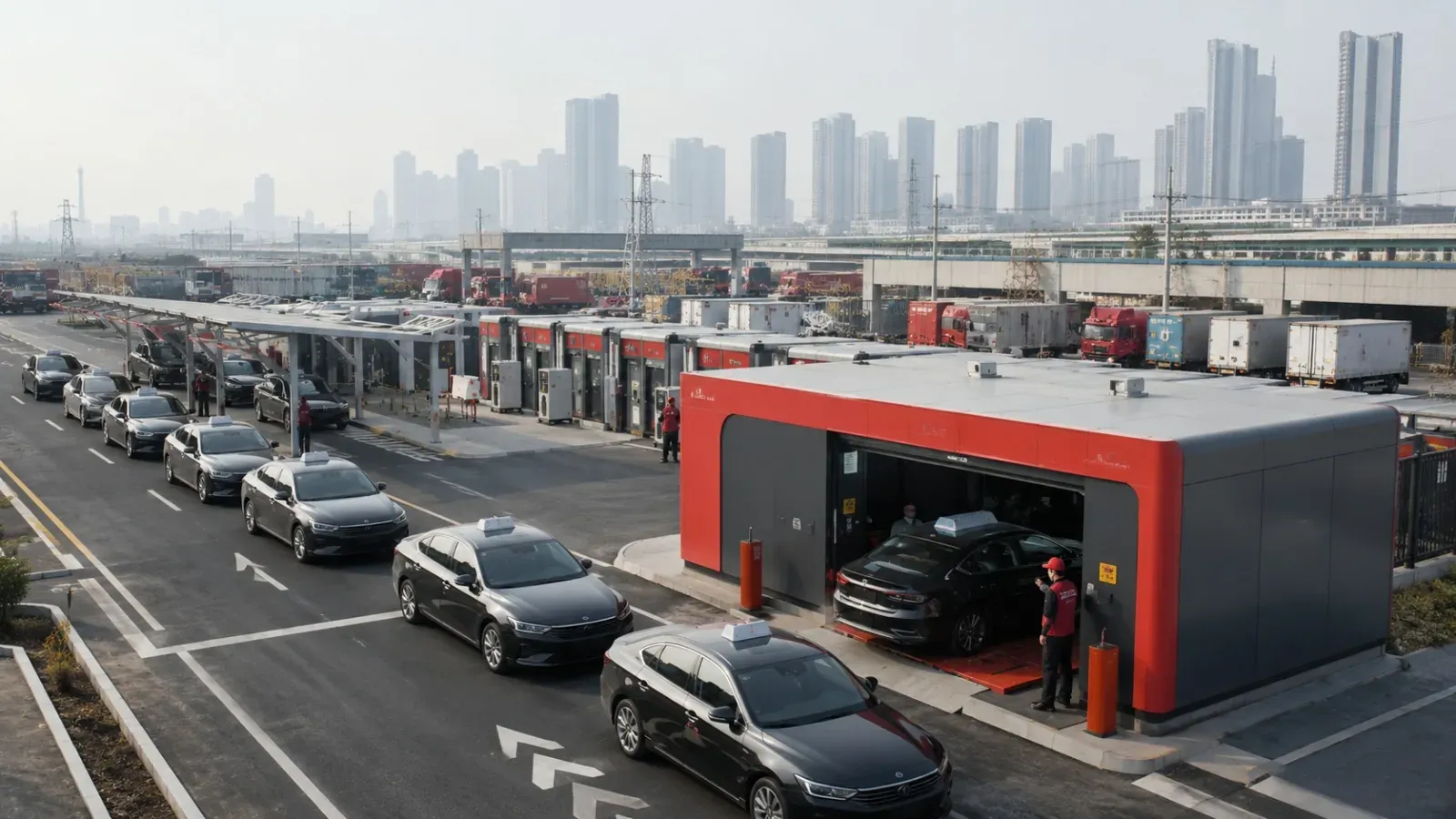
The capital race · Aulton

Scale arrived.
Economics followed slowly.

Continuing losses and a shift toward a more asset-light model.

Illustration — a generated depiction, not a photograph of this company’s facility.

Row of swap bays at a city depot, taxis queuing at the entrance
A different starting point

The lesson was not
that swapping failed.

Swapping alone was never enough.

They optimized the swap. We optimized the business.

Battswap container station at dawn with a van and city fleet behind it
The commercial proof

Battswap started
with the customer.

Vehicle, battery, station, grid, service and financing—optimized around real routes and profit per kilometre.
3M+commercial km
200Kbattery swaps
99.95%reliability
Profitablecommercial operation
Two markets. Two leaders.

The same physical truth.
Two different victories.

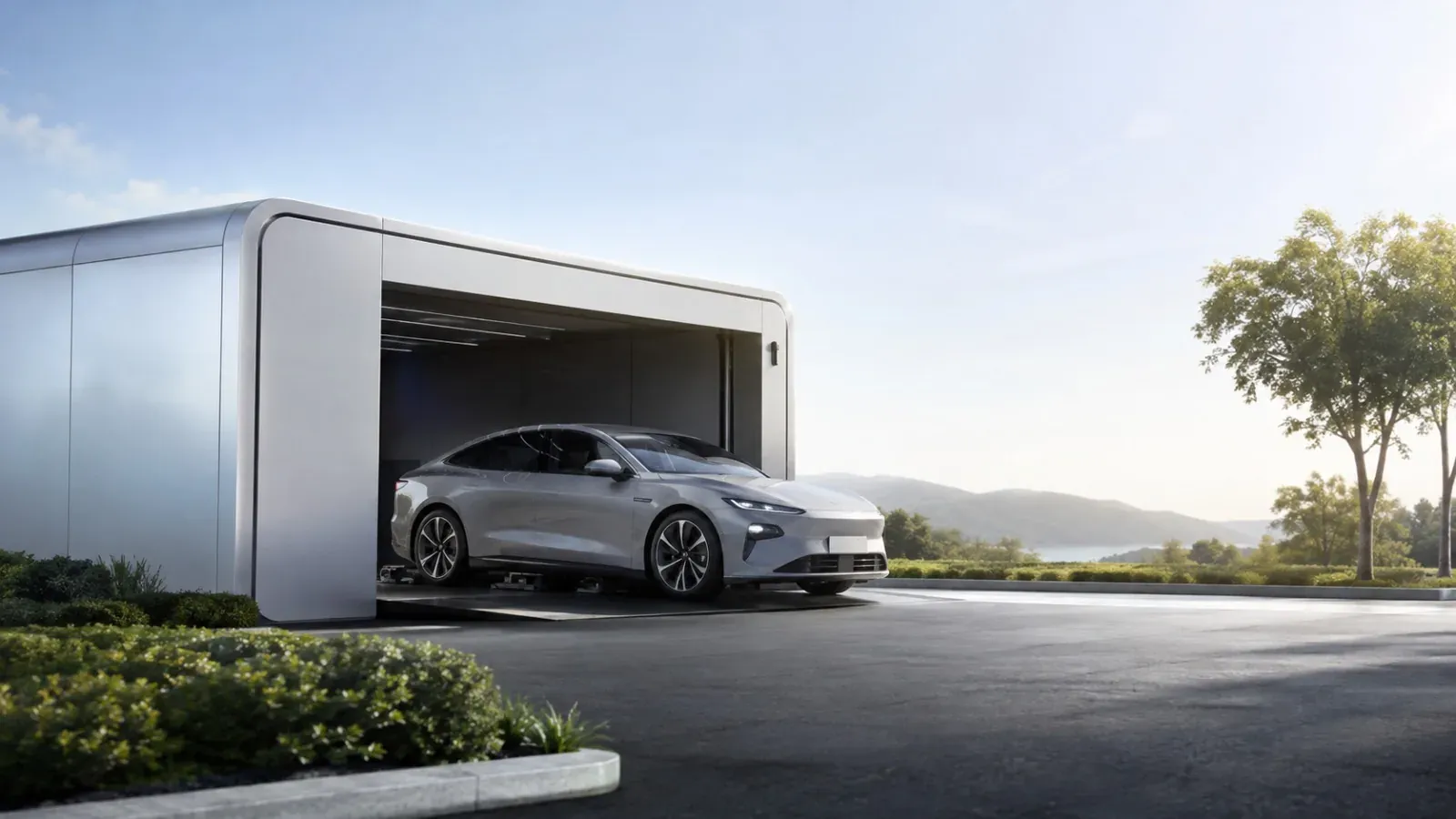
Saloon car inside a white swap station beside a lawn
Illustration — a generated depiction, not a photograph of this company’s facility.
Premium passenger vehicles NIO

Battery swapping at passenger-car scale.

3,790stations · 100Mswaps

Battswap container station at dawn with a van and city fleet behind it
Commercial fleets + machines Battswap

Battery swapping built around fleet profitability.

DeliveryBusTruckMunicipalIndustrial

The result

The commercial fleet world is ready.So are we.

One proven energy blueprint—ready to move vehicles, machines and entire fleet systems without waiting for stronger grids.

Tell us your routes and loads. We will show you what the swap does to your numbers.

Talk to our team

Calculate your fleet advantage